

27-Minute Breast Augmentation
Precise dissection shortens the operation, and a shorter operation means less anesthesia, medication, and tissue trauma. We cut waste and bleeding while completing every step your surgery needs.
UNE Plastic Surgery's 27-Minute Breast Augmentation shortens operative time by cutting waiting, wasted motion, and bleeding while completing every necessary step. Dr. Kim Uigeon (board-certified plastic surgeon) performs it with an optimized workflow and surgical protocol developed from extensive clinical experience, locating bleeding points first and dissecting only what is needed, so a primary augmentation takes an average of 27-40 minutes from skin incision to closure. A shorter operation reduces anesthesia time and drug requirements (Tebbetts 2002), and in a 2025 study of 6,531 breast augmentation patients, every additional 10 minutes of operative time was associated with a 4.5% increase in overall complications (Knoedler 2025). Actual time and recovery vary with individual anatomy and surgical complexity. UNE has performed 3,500+ cumulative breast surgery cases (as of January 2026), with an on-site board-certified anesthesiologist and only FDA-approved Motiva and Mentor implants. Both dual-plane and subfascial dissection are available, precisely selected to fit each patient's anatomy.
-
-
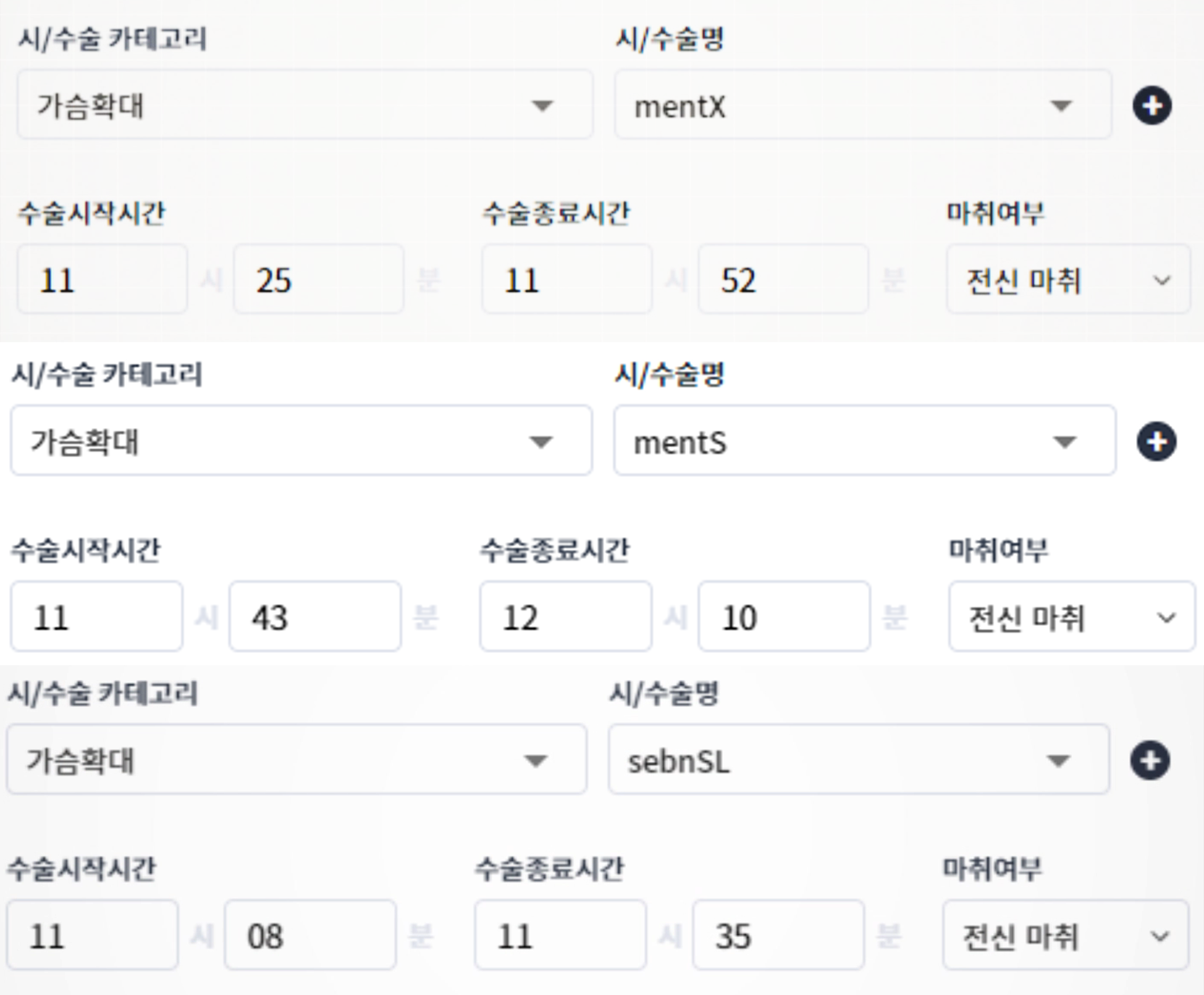
 Surgery time: 27 minutes
 -
 Surgery time: 27 minutes
-
-
-
 Approximately 30 minutes surgery time
 -
* Measured from skin incision to completion of closure
* May vary depending on individual factors such as accessory breast tissue and dissection range
-


-

-
Hello, I am Dr. Kim Uigeon, Chief Surgeon of UNE Plastic Surgery.Drawing on extensive surgical experience at major hospitals, I perform precise breast augmentation in approximately 30 minutes. This means I quickly identify bleeding points and use meticulous dissection know-how to minimize bleeding, swelling, and pain.
For the axillary approach, I also use premium German STORZ high-definition endoscopes for precise and detailed dissection. We employ German Drager general anesthesia machines and monitoring equipment, with a board-certified anesthesiologist on-site for safety.
For axillary incision, I complete the entire procedure including suturing within 27-40 minutes, which I personally consider quite fast.
Scar appearance varies by individual. With favorable skin, the scar can be barely visible at 6 months, but for most patients it takes about 18 months to become hard to notice.* Individual results may vary.


-
01 Reduction of the time required to perform the operation resulted in a decrease in anesthesia time, drug requirements, drug side effects, and perioperative recovery times.— Tebbetts, John B. Plastic and Reconstructive Surgery. 109(1):273-290, January 2002.
-
02 Reduction in surgical trauma produced significant decreases in postoperative inflammation, pain, analgesic requirements, and necessity of drains or other devices that complicate recovery and the potential incidence of complications.— Tebbetts, John B. Plastic and Reconstructive Surgery. 109(1):273-290, January 2002.
-
03 Patients who experienced less surgical trauma, reduced operative times, and the combined benefits of all factors related to both experienced a simpler, less complicated, and faster recovery and return to normal activity.— Tebbetts, John B. Plastic and Reconstructive Surgery. 109(1):273-290, January 2002.

-
01 Reducing narcotic dosage is essential to delivering state-of-the-art results in breast augmentation, and reducing narcotic dosage begins with avoiding unnecessarily prolonged operative times due to inadequate planning, sizer use, implant selection, or suboptimal surgical techniques.
-
02 Operative times are shorter, surgery center costs and costs to patients decrease, surgeons can perform more procedures in less time, patients' recovery is dramatically faster, morbidity is less, and long-term reoperation rates dramatically decrease.
-
03 When surgeon efficiency is suboptimal or operative times for other approaches exceed 40-45 minutes, anesthesia must administer additional doses of muscle relaxant that may require reversal at the conclusion of the procedure. All reversing agents potentiate narcotics and narcotic side effects, prolonging recovery and increasing morbidity. Building skills to most efficiently perform augmentation minimizes recovery times and morbidity.
-
04 With current proved processes for operative planning and implant selection that are peer reviewed and published in the plastic surgery literature, operating times for an uncomplicated, primary breast augmentation should not exceed 45 minutes.
-
-
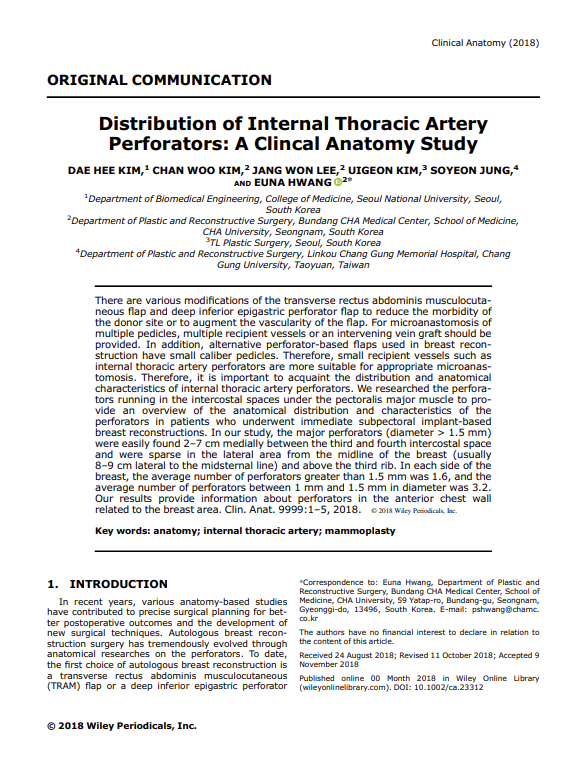
Dr. Kim Uigeon's published research
on the vascular anatomy of the breastDistribution of Internal Thoracic Artery Perforators: A Clinical Anatomy StudyWith anatomical knowledge of vessel locations,
unnecessary bleeding can be reduced and surgery time can be efficiently shortened.

-
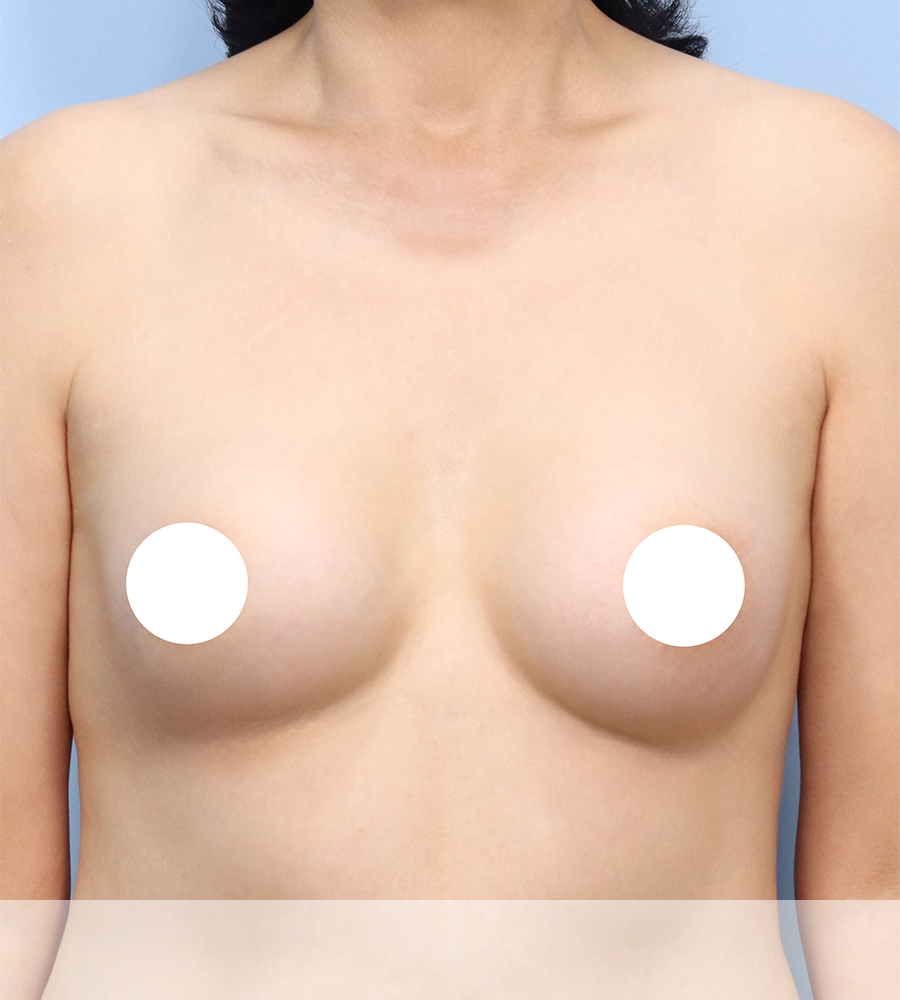
 Breast revision — 1 month before & after
 -
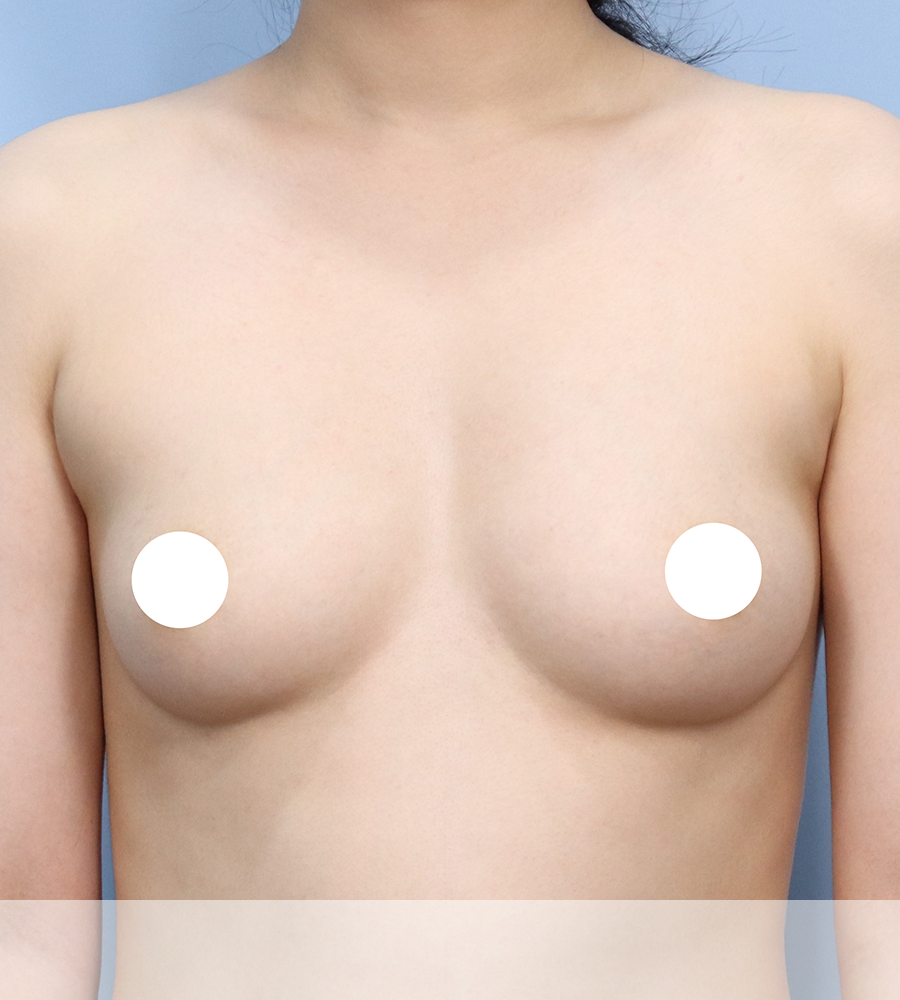
 Breast augmentation — 2 months before & after
 -
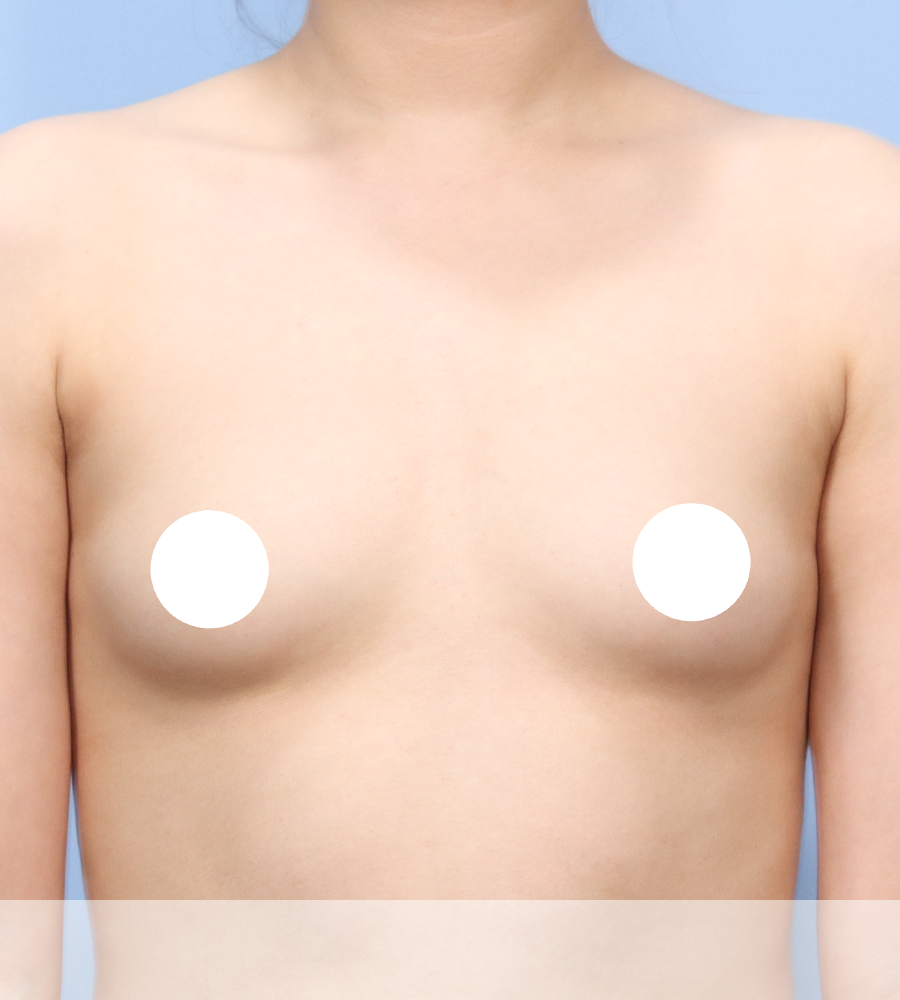
 Breast augmentation — 2 months before & after
 -
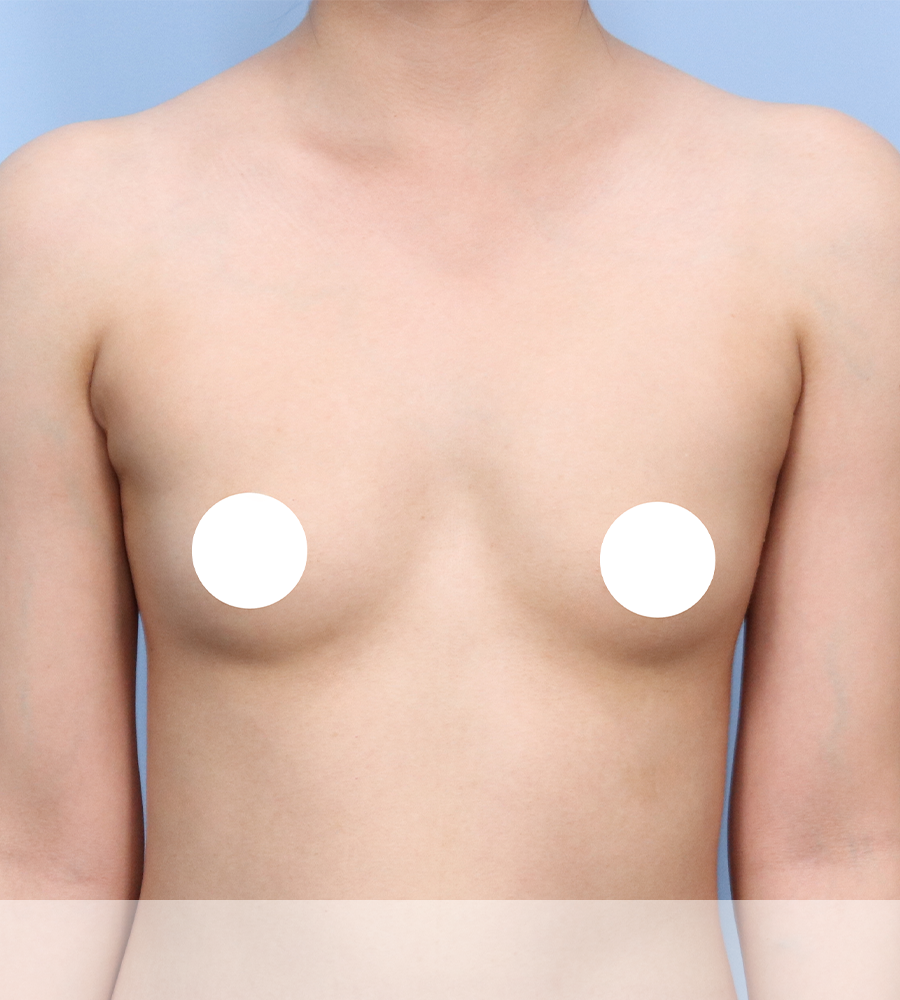
 Breast augmentation — 3 months before & after
 -
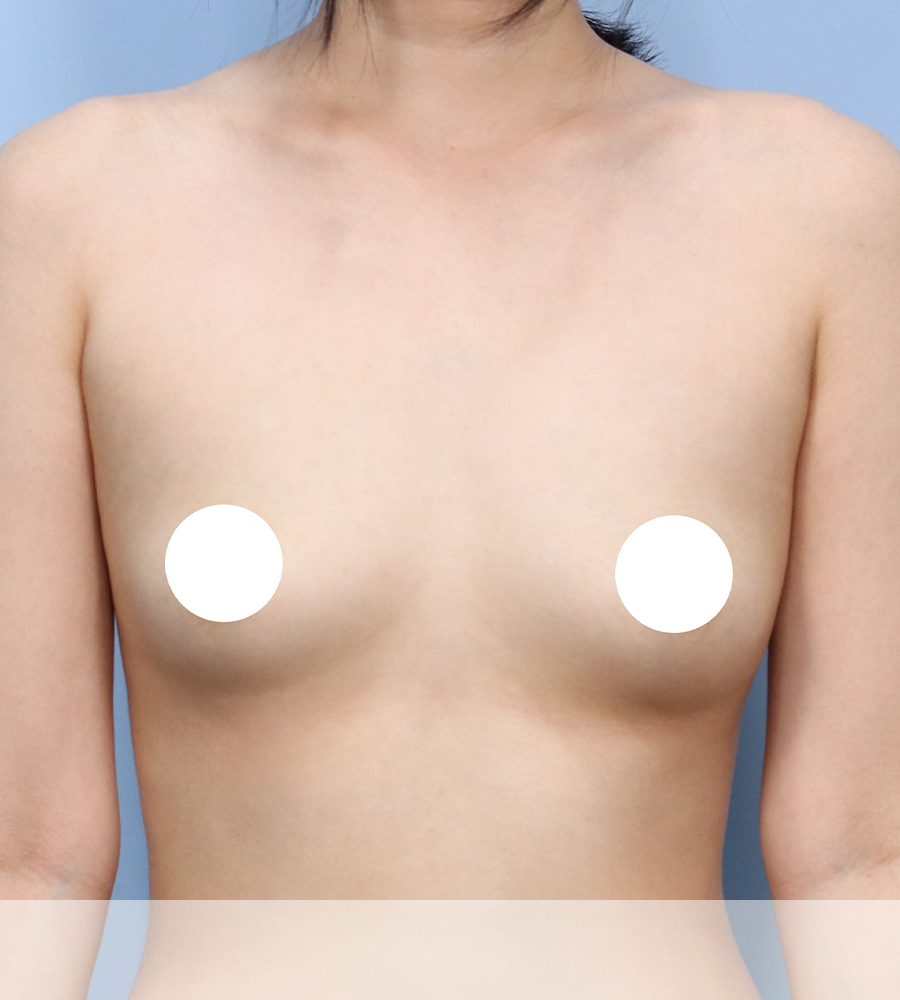
 Breast augmentation — 3 months before & after
 -
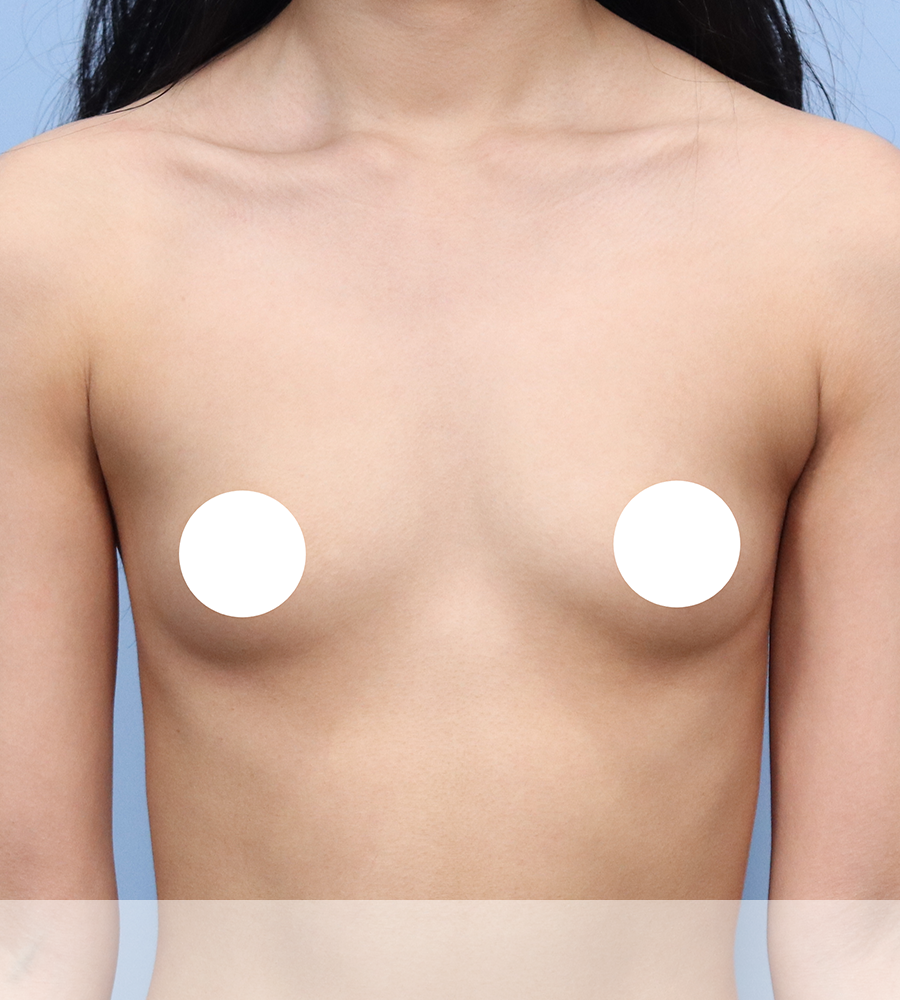
 Breast augmentation — 3 months before & after
 -
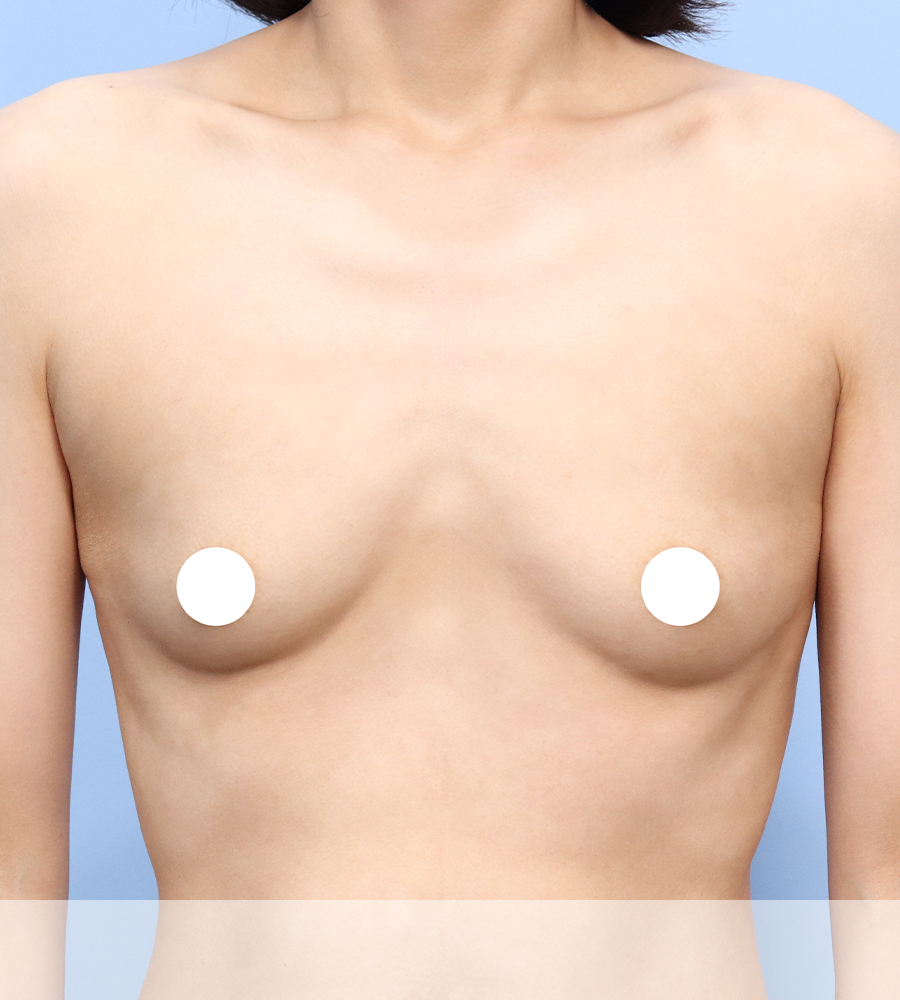
 Breast augmentation — 3 months before & after
 -
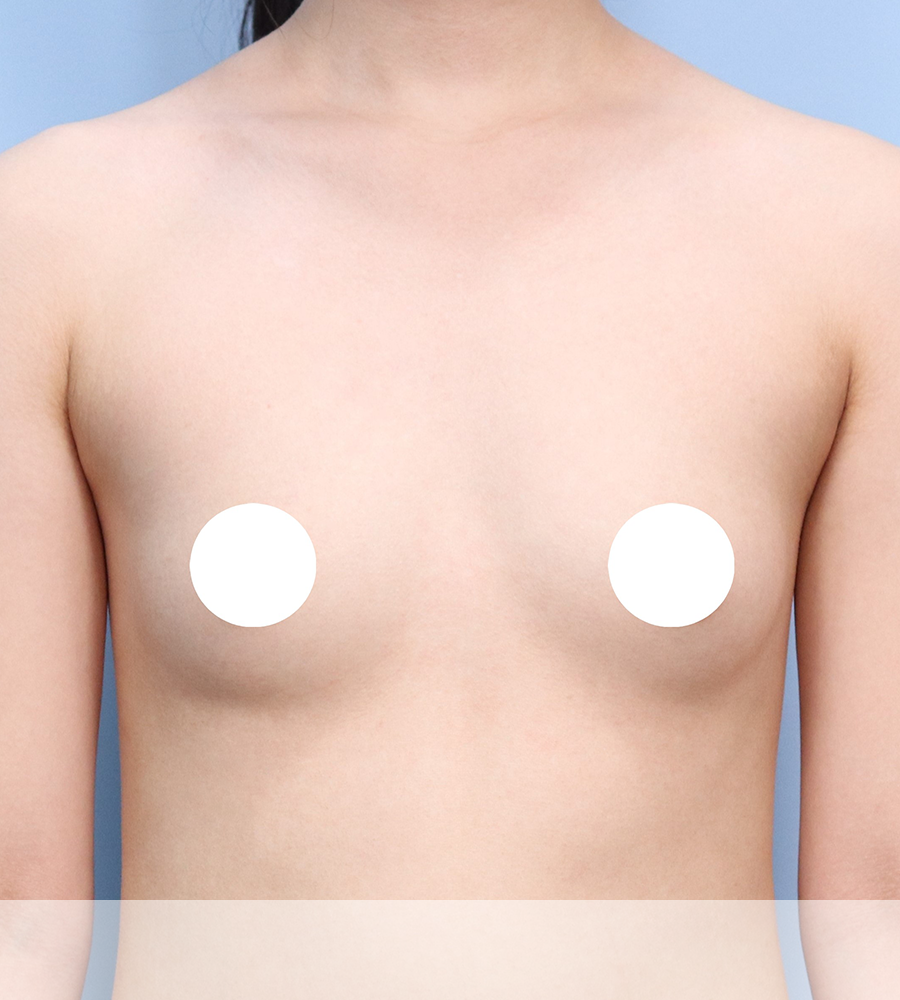
 Breast augmentation — 6 months before & after
 -
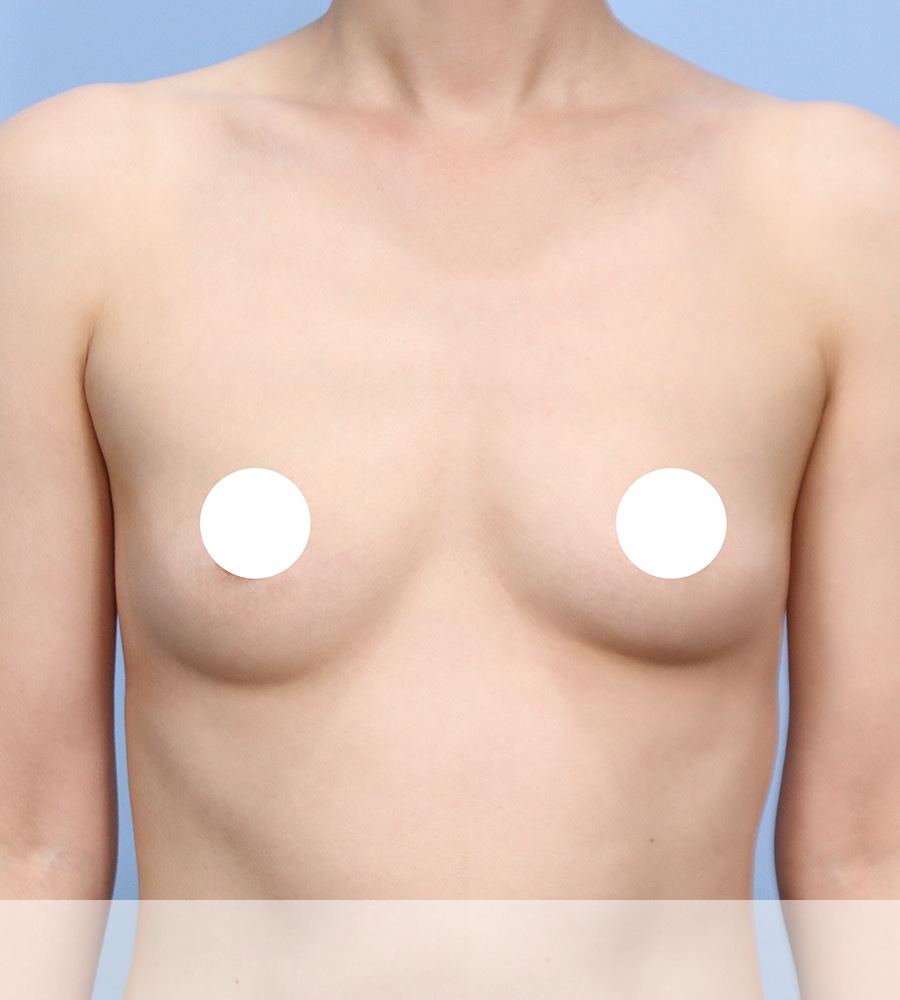
 Breast augmentation — 7 months before & after
 -
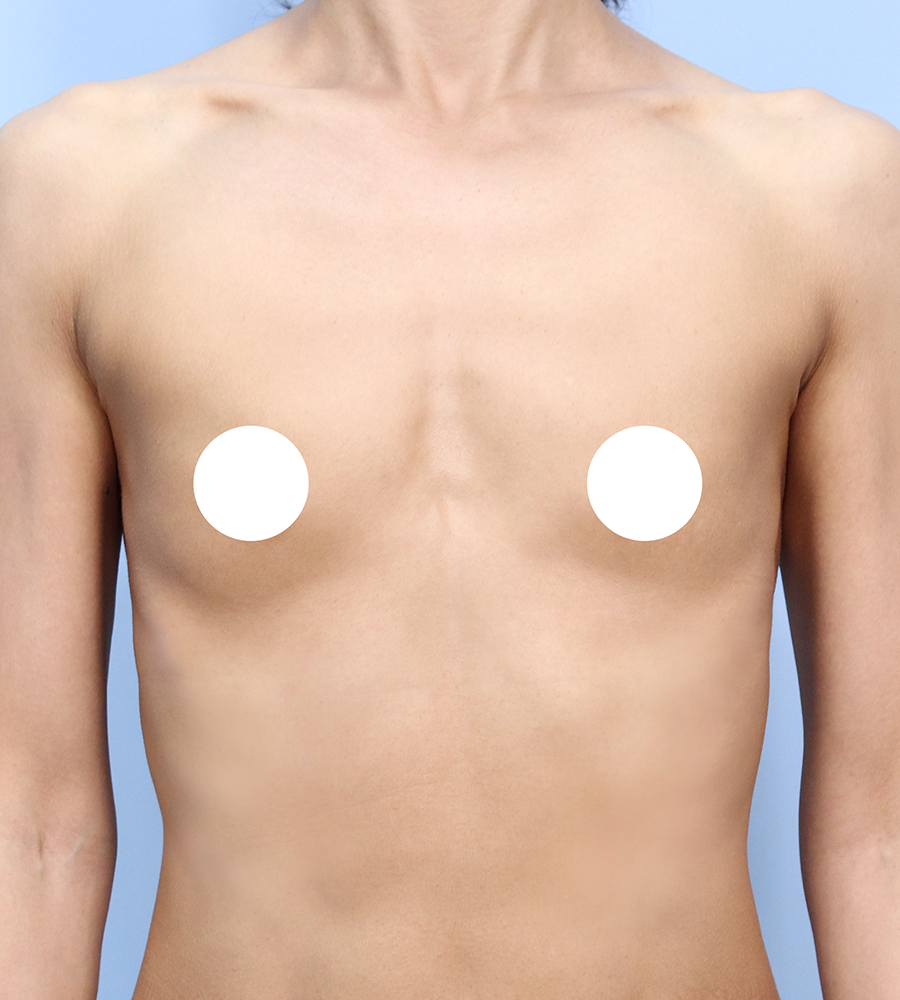
 Breast augmentation — 1 year 2 months before & after


"Short surgery time"
-
-
1.Less bleedingUNE Plastic Surgery identifies bleeding points to minimize tissue trauma and typically completes the procedure within about 30 minutes. Surgery is performed to minimize bleeding; whether a drain or compression bandage is used depends on the individual patient. Same-day discharge may be possible after recovery-room observation, depending on the patient's condition.

-
2.Working toward less pain and swellingLess bleeding means fewer points need electrocautery for hemostasis; minimizing unnecessary tissue damage this way can help reduce the burden of postoperative pain and swelling.
-
3.Clearer surgical fieldLess bleeding keeps the surgical field clean, providing better visibility so the dissection plane can be identified more precisely.
-
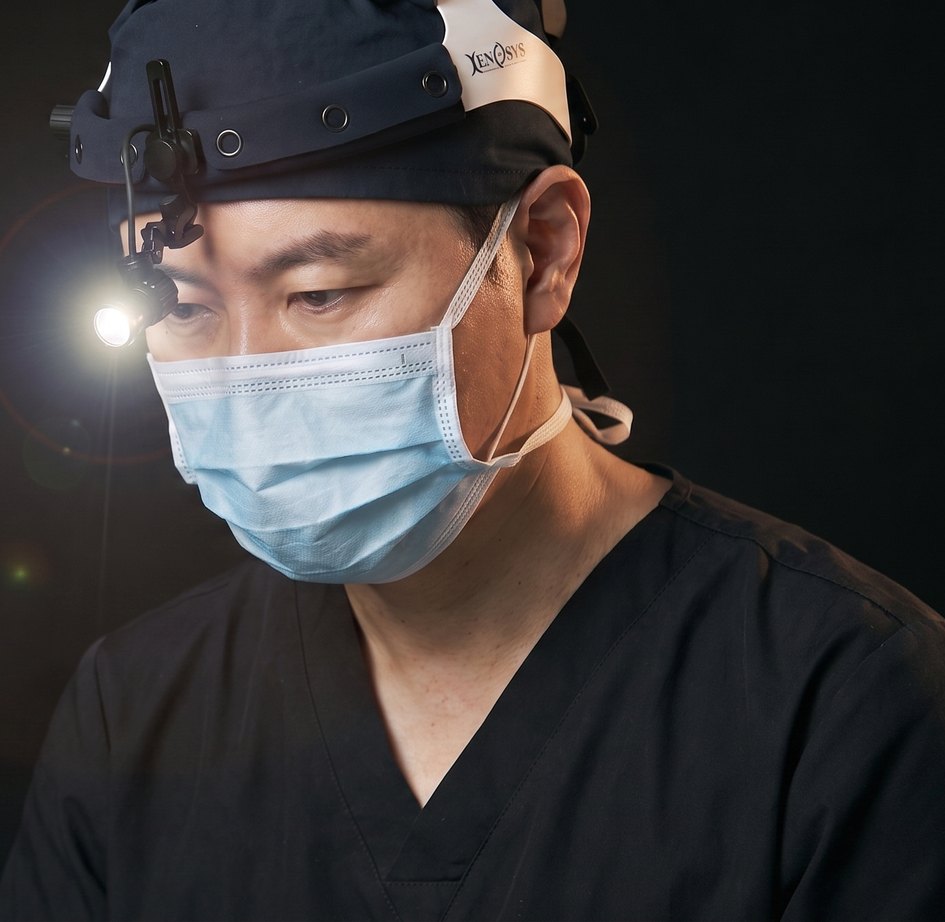
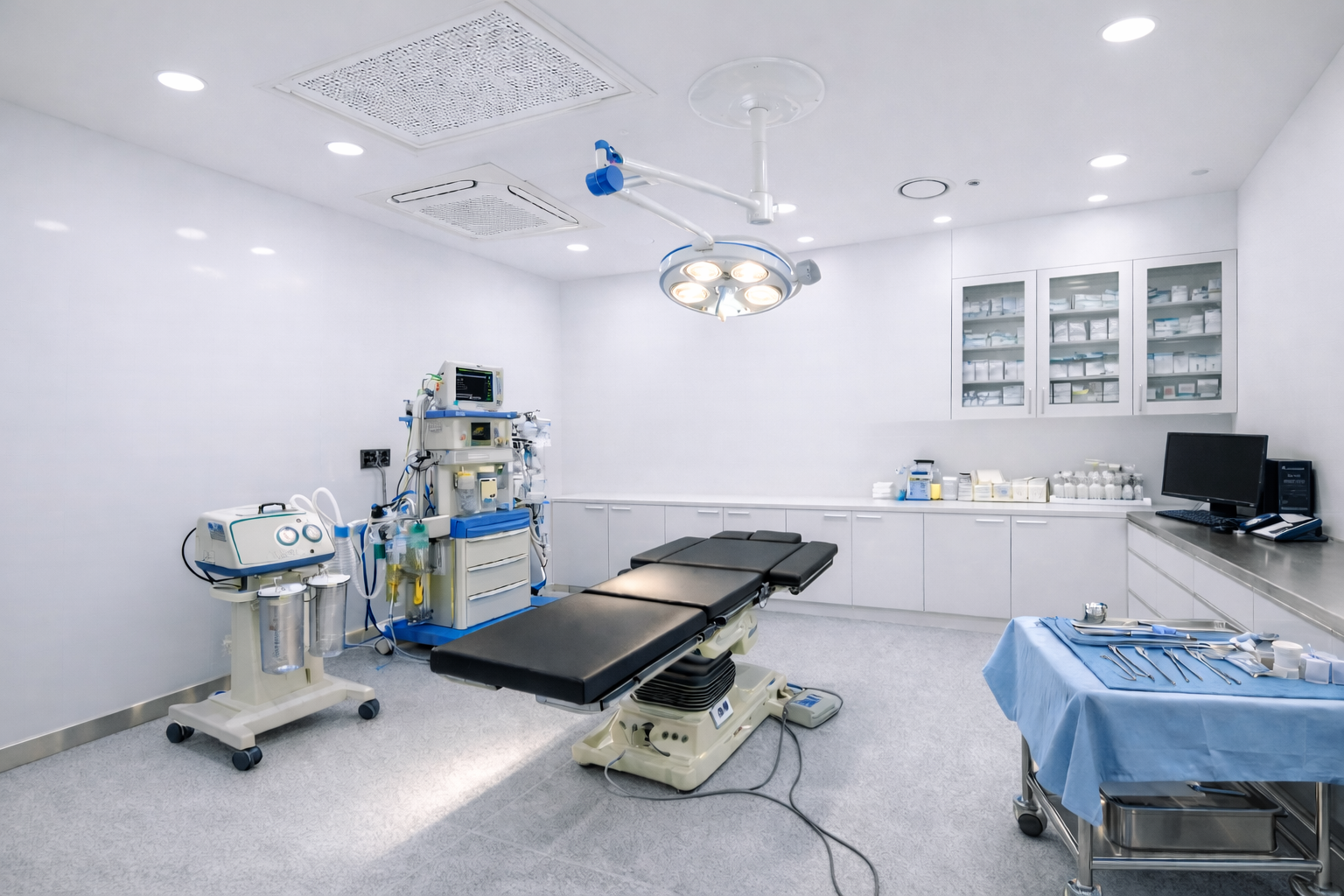
4.Tissue exposure time and infection risk managementA shorter surgery time means less time that tissue is exposed. A systematic review of 81 studies across multiple surgical specialties found that the likelihood of surgical site infection rose by 17% for every additional 30 minutes of operating time (Cheng 2017). That is why infection control matters so much in breast augmentation, where an implant is placed.
-

-
-
5.Shorter anesthesia timeA shorter surgery time also means a shorter time under general anesthesia. Tebbetts observed that time wasted during an operation prolongs anesthesia, increases medication doses and side effects, and slows recovery. What UNE cuts is that wasted time, while precise dissection and thorough hemostasis are carried out in full. Anesthesia time and recovery vary by the patient's anatomy, tissue condition, and surgical complexity.

References
- Knoedler S, Perozzo FAG, Dietrich MT, et al. Investigating the Impact of Operative Time on Breast Augmentation Outcomes. Ann Plast Surg. 2025;95(3):247-252. (6,531 patients; overall complications +4.5% per additional 10 minutes; 91-minute threshold)
- Tebbetts JB. Achieving a Predictable 24-Hour Return to Normal Activities after Breast Augmentation: Part I. Refining Practices by Using Motion and Time Study Principles. Plastic and Reconstructive Surgery. 2002;109(1):273-290. (627 patients; 96% returned to normal activities within 24 hours)
- Tebbetts JB. Augmentation Mammaplasty: Redefining the Patient and Surgeon Experience. Mosby Elsevier; 2010.
- Cheng H, Chen BP, Soleas IM, et al. Prolonged Operative Duration Increases Risk of Surgical Site Infections: A Systematic Review. Surg Infect (Larchmt). 2017;18(6):722-735.
- Kim DH, Kim CW, Lee JW, Kim U, Jung S, Hwang E. Distribution of internal thoracic artery perforators: A clincal anatomy study. Clin Anat. 2019;32(4):471-475. (co-authored by Dr. Kim Uigeon)
- U.S. Food and Drug Administration. Breast Implants — Patient Resources. https://www.fda.gov/medical-devices/breast-implants
- American Society of Plastic Surgeons. Breast Augmentation. https://www.plasticsurgery.org/cosmetic-procedures/breast-augmentation
Frequently Asked Questions
What is the 27-Minute Breast Augmentation?
The 27-Minute Breast Augmentation is the signature technique of Dr. Kim Uigeon (board-certified plastic surgeon) at UNE Plastic Surgery. Using a German STORZ high-definition endoscope for the axillary approach and the Keller Funnel no-touch insertion method, the procedure is completed in an average of 27-40 minutes, minimizing anesthesia burden and tissue damage.
Does a shorter surgery mean worse results?
Not when the time is saved the right way. At UNE, the operation is shorter because waiting, wasted motion, and bleeding are cut while every necessary step is completed: careful pre-operative planning, locating bleeding points first, and precise dissection. A shorter operation done this way has real advantages. In a 2025 study of 6,531 breast augmentation patients, every additional 10 minutes of operative time was associated with a 4.5% increase in overall complications, and operations longer than 91 minutes had about 1.9 times the odds of complications (Knoedler 2025). Actual time varies with anatomy, implant, incision site, pocket plane, dissection range, and whether the case is a revision. UNE Plastic Surgery has performed more than 3,500 breast surgeries (as of January 2026).
How long is recovery after the 27-minute surgery?
A shorter operation with less tissue trauma supports a faster early recovery. In a 2002 study of 627 patients by Tebbetts, reducing operative time, anesthesia time, and tissue trauma allowed 96% to return to normal activities within 24 hours. Individual recovery still depends on anatomy, implant placement, tissue condition, and post-operative care. Many patients resume light daily activities within several days; return to exercise, work, and travel should be decided after follow-up evaluation. Multimodal post-operative pain management is provided.
What implants are used?
We use FDA/CE-certified implants (Motiva Ergonomix, Mentor Xtra). We analyze each patient's body type, chest dimensions, and skin elasticity to recommend the optimal implant on a 1:1 basis.
How much does the 27-Minute Breast Augmentation cost?
Pricing depends on the implant brand and profile, surgical technique, anesthesia plan, and post-operative care. UNE Plastic Surgery provides an individual estimate after in-person consultation. International patients may request a preliminary written estimate through online consultation.